Los Angeles, a city known for its freedom and unrestrainedness, has amazing beaches and cultural attractions, but is also famous for its traffic congestion. For many tourists and local residents, how to use the public transportation system efficiently and economically is not only the key to the travel experience, but also an art of “saving money”.
Ⅰ. Overview of Los Angeles public transportation: the golden combination of subway and bus
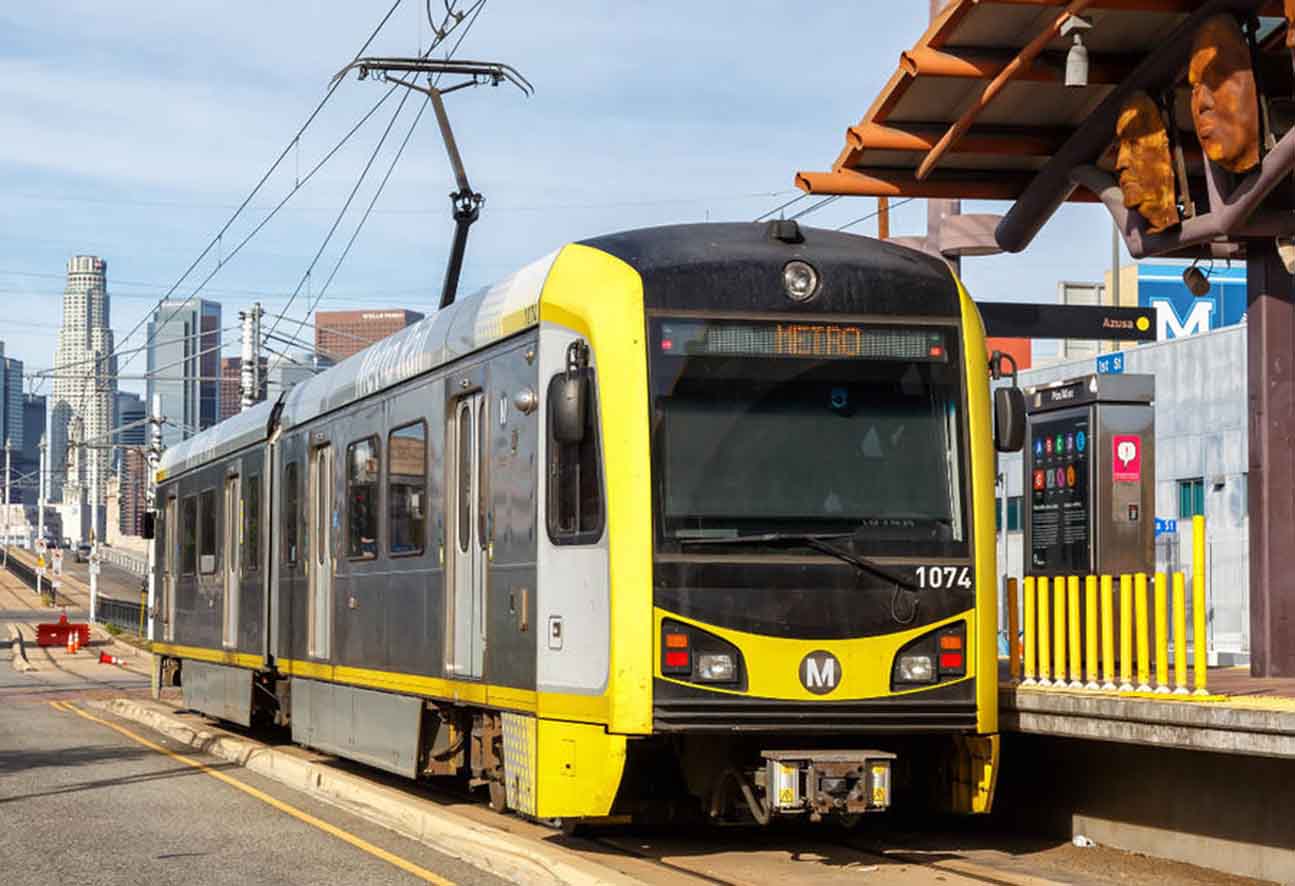
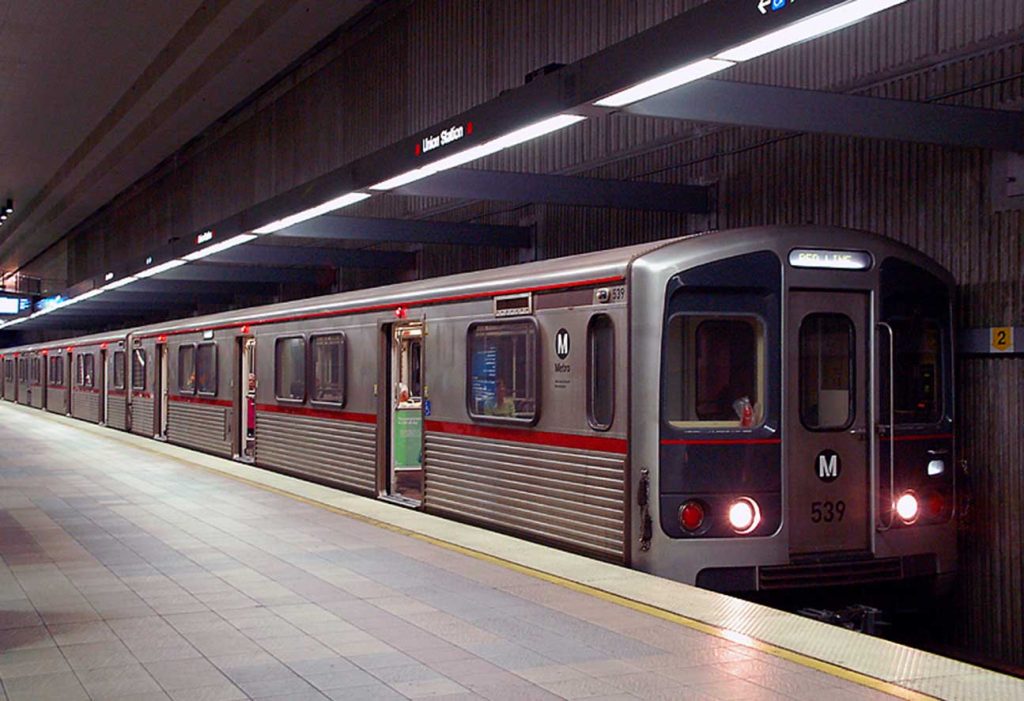
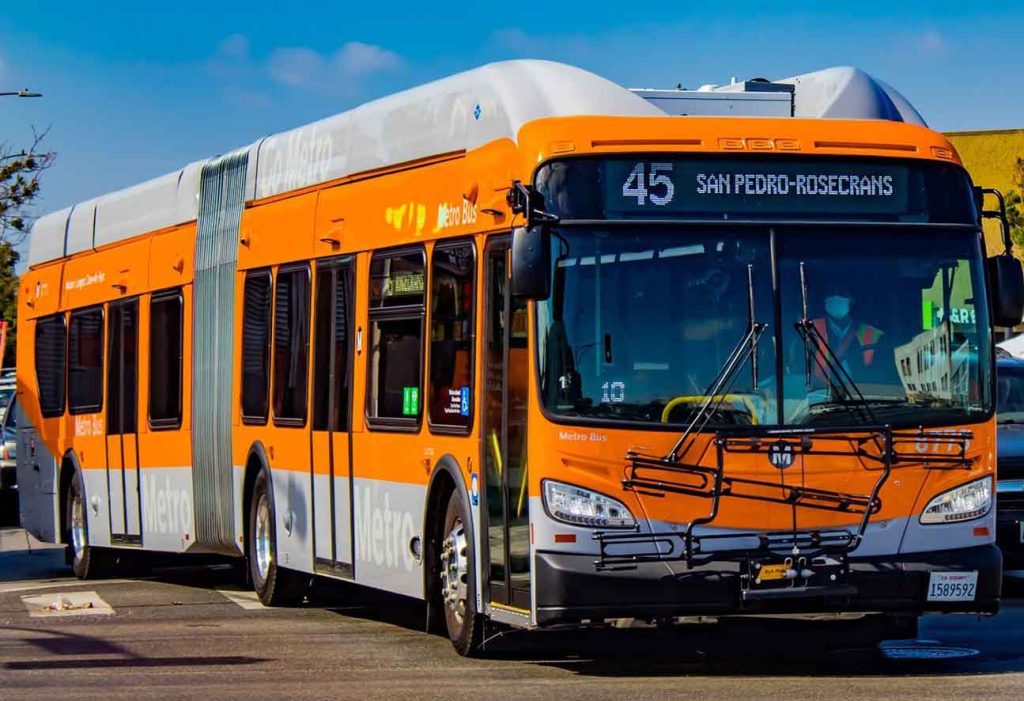
Los Angeles’ public transportation is mainly composed of subway (Metro Rail) and bus (Metro Bus), which complement each other and cover major areas of the city together. Subway lines include Red Line, Purple Line, Blue Line, Green Line, Gold Line, etc., which are mainly responsible for rapid commuting in the city; bus lines are all over the streets and alleys, covering details that subways do not cover.
Compared with taxis and online car-hailing, the fares of public transportation are more affordable. Familiarity with the combination of subways and buses can not only avoid congestion, but also save a lot of travel costs. In particular, the use of reasonable ticket products, such as day tickets, weekly tickets and monthly tickets, can achieve real economic travel.
Ⅱ. Detailed explanation of ticket purchase methods: How to enjoy subway and bus at the lowest price
1. The magic of the one-card pass: detailed explanation of TAP card
TAP card is the official smart card of Los Angeles Metro public transportation. It supports all subway and bus lines. It is extremely convenient to enter and exit by swiping the card. Using TAP card to buy tickets is more cost-effective than buying a single ticket. Tourists and locals recommend applying for it as soon as possible, and different fare discounts can be obtained by recharging.
2. One-way ticket vs. day ticket vs. weekly ticket vs. monthly ticket: Which one is more cost-effective to buy?
One-way ticket: suitable for passengers who use subways and buses for short distances or occasionally, with moderate prices, but the cost of frequent riding is high.
Day Pass: unlimited rides within 24 hours, suitable for short-distance and high-frequency use for tourism. One purchase allows you to transfer freely throughout the city.
Weekly Pass (7-Day Pass): Suitable for tourists who stay longer. It can be used unlimited times within 7 consecutive days. The cost-effectiveness is significantly better than the daily pass.
Monthly Pass (30-Day Pass): Suitable for people who live or work in Los Angeles for a long time. It is economical and supports unlimited rides.
3. Ticket purchase channels and precautions
Tickets can be purchased at the self-service ticket machines in the subway station, or recharged on the official app. Some convenience stores also support TAP card recharge. It is recommended to plan the route in advance and choose the appropriate ticket type to avoid wasting time in the long queues on the spot.
Ⅲ. Subway line analysis: How to choose the line faster and cheaper
1. Red Line: Connecting Downtown and Hollywood
The Red Line is a must-go route for tourists, covering downtown Los Angeles, Hollywood and North Hollywood. There are famous attractions along the line such as the Hollywood Walk of Fame and the Griffith Observatory. The Red Line goes directly to the airport shuttle station, which is convenient for transportation from the airport to the city.
2. Blue Line: Connecting Downtown and Long Beach
The Blue Line is a must-go route for commuting, connecting the city center with the Long Beach area in the south. The Blue Line is economical and can be transferred to multiple bus lines along the route, making it an ideal route for exploring the seaside and shopping areas.
3. Gold Line: Shuttle between downtown and the East
The Gold Line mainly serves East Los Angeles, connecting multiple cultural communities, and there are many museums and art centers along the route. It is suitable for tourists who want to experience the local life.
4. Purple Line, Green Line and New Extension Lines
The Purple Line is an extension of the Red Line, covering some high-end residential areas; the Green Line surrounds the southern city and connects the airport and other major transportation hubs. Multiple lines are extended and improved, making it convenient for more people to travel.
IV. Bus System Guide: Details Determine Experience and Save Money
1. There are many bus routes. How to choose the one that suits you best?
Los Angeles bus routes cover a wide range, including Rapid Bus, ordinary routes and night routes. Reasonable combination of buses and subways can maximize coverage of your destination. Rapid bus routes have few stops and fast speeds, making them a commuter tool.
2. Bus transfer tips: save money and time
Use TAP card to transfer between bus and subway, you can transfer for free within a certain period of time (usually within 2 hours), so you only need to pay one fare for multiple rides, which greatly saves travel costs. It is recommended to plan your ride time to avoid long transfer time and not being able to enjoy free transfer.
3. Night bus strategy
Some bus routes in Los Angeles support night operation (night service) to ensure safe travel at night. It is recommended to check the night routes and times to avoid extra costs and waiting caused by delays.
V. Regional transportation recommendation: reasonable combination of subway + bus according to demand
1. Downtown and surrounding areas: multiple lines interweaving, convenient transfer
Downtown Los Angeles has a dense public transportation network, with overlapping subway and bus lines. With a day ticket or a weekly ticket, you can switch between the red line, blue line and bus at will, and visit museums, shopping districts and restaurants easily and conveniently.
2. Hollywood and West Hollywood: Concentrated tourist hotspots
Hollywood mainly relies on the red line subway, while West Hollywood is mainly connected by bus lines. It is recommended to take the subway to Hollywood Station, then transfer to the express bus or ordinary bus to West Hollywood to save taxi fare.
3. Beach and Long Beach area: Blue Line + bus is the best
The Blue Line runs from the city center to the beach, and the bus is responsible for shuttling along the beach. Choose the Blue Line to Long Beach, and then take the local bus or shared bicycle, which is both economical and environmentally friendly.
4. East Los Angeles and surrounding communities: Gold Line as the main line, supplemented by bus
The Gold Line is the main traffic artery in the East District, covering communities with a strong cultural atmosphere. Combined with the bus route, you can visit art galleries, local markets and specialty restaurants, which is economical and full of cultural atmosphere.
VI. Sharing of money-saving details: unknown bus money-saving tips
1. Take advantage of free transfer time
After swiping the TAP card on the subway and bus, there is a free transfer policy within 2 hours. Reasonable use of this time to transfer multiple times can greatly reduce the cost of a single ride.
2. Pay attention to the discount of subway and bus combined tickets
Some ticket types include the combined use of subways and buses. Buying the right ticket type is the key to saving money. For example, weekly and monthly tickets are suitable for frequent travelers, while single-trip tickets are suitable for occasional travelers.
3. Avoid buying tickets and riding during peak hours
There is no difference in peak ticket prices, but the crowds are high and the experience is poor. Choosing to travel during non-peak hours can save time and avoid the need to take a taxi.
4. Download the official App to keep up with discounts and route changes in real time
The Los Angeles Metro Bus System App not only supports online ticket purchases, but also pushes discount information and route adjustments in real time to help you avoid unnecessary expenses and time waste.
VII. Practical suggestions: Tips for smoother travel
Before traveling, it is recommended to download the official apps of the Los Angeles subway and bus in advance to view route information and schedules in real time to avoid temporary waiting. When using a TAP card, be sure to keep a sufficient balance to avoid delays due to insufficient balance.
When planning transfer routes, reserve enough time, especially during peak hours, to avoid the pressure of rushing. Choose crowded carriages or stations for night travel to ensure safety. Finally, try to avoid peak traffic hours to save time and reduce congestion, making the journey more comfortable and smooth.
Whether you are a short-term tourist or a long-term resident in Los Angeles, a reasonable combination of subways and buses is your best choice to save transportation costs. Compared with taxis or online car-hailing, public transportation fares are more affordable, especially by purchasing weekly or monthly tickets, which can greatly reduce travel costs. For travelers, this combination not only helps you save a lot of transportation costs, but also allows you to efficiently visit major attractions in Los Angeles within a limited time.
More importantly, taking the subway and bus can bring you closer to the real rhythm of life in this city. Along the subway lines and bus routes, you will find many little-known communities and authentic food corners. With the help of public transportation, you are not just a tourist, but more like an “Angeles” who is integrated into the city’s veins, experiencing the city’s rich and colorful culture and lifestyle.